
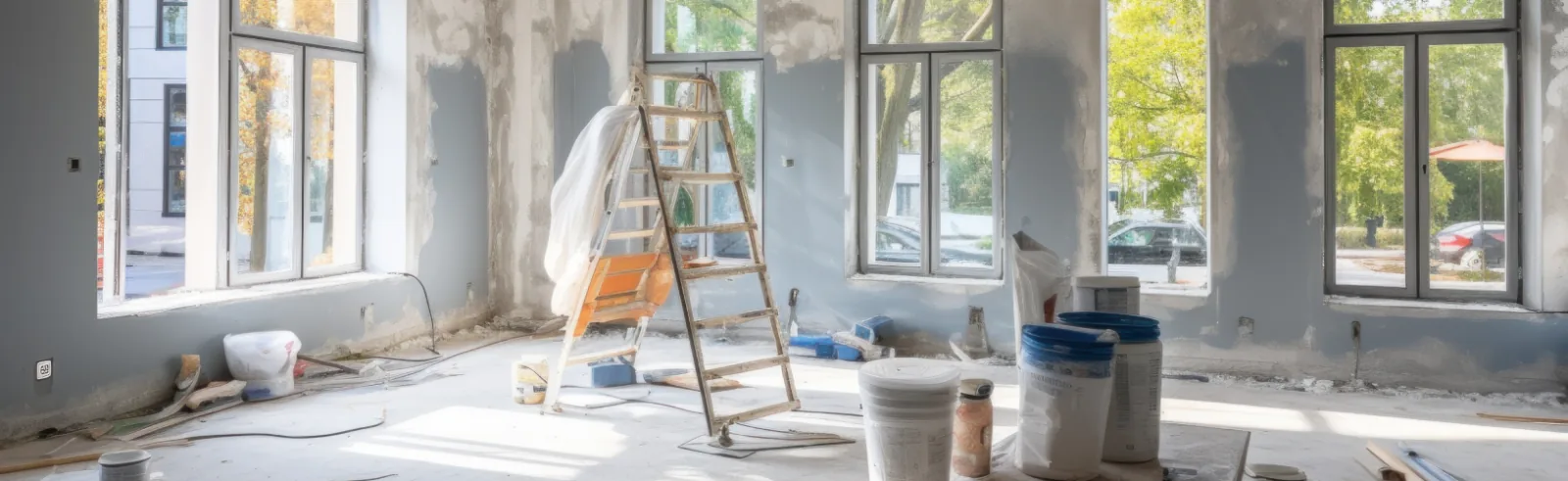
Potential Problems and Defects in Older Resale Condominiums
When considering the purchase and renovation of an older resale condominium, several issues and defects commonly arise:
Structural Issues:
- Common Defects: Cracks in walls and ceilings, settling foundations, and worn-out structural components. These can be costly to repair and may require the expertise of a structural engineer.
- Inspections: It’s crucial to conduct a thorough inspection to identify these issues early on (Redfin) (RenoTalk).
Plumbing and Electrical Systems:
- Outdated Systems: Older condos often have outdated plumbing and electrical systems that may not meet current safety standards. Replacing old pipes and wiring can significantly add to the renovation costs.
- Potential Problems: Low water pressure, frequent clogs, and electrical issues such as insufficient power capacity and outdated circuit breakers (CMHC).
Water Damage and Mold:
- Signs: Look for water stains, warped floors, and mold, especially in bathrooms and kitchens. These issues can indicate leaks and inadequate waterproofing.
- Remediation: Addressing water damage and mold can be expensive, involving repairs to both visible and hidden areas (Redfin).
Window and Door Issues:
- Common Problems: Drafty windows, doors that do not close properly, and outdated locking mechanisms.
- Upgrades: Replacing windows and doors can improve energy efficiency and security but adds to renovation costs (CMHC).
Differences Between Older and Newer Properties
Size and Layout Flexibility:
- Older Properties: Typically offer larger living spaces and more regular layouts, allowing for more customization and extensive renovations. However, they may have structural limitations that restrict certain modifications.
- Newer Properties: Generally have more compact and efficient layouts. While they may be easier and cheaper to renovate, the smaller space can limit extensive modifications (Stacked Homes).
Renovation Flexibility:
- Older Properties: May require significant updates to meet current building codes and standards, adding to renovation time and cost. Structural integrity and compliance with heritage conservation (if applicable) are crucial considerations.
- Newer Properties: Often come with modern infrastructure, reducing the need for extensive updates and allowing for quicker, more straightforward renovations (Redfin).
Considerations Before Starting Renovation Works
Comprehensive Inspection:
-
Conduct a detailed inspection covering structural integrity, plumbing, electrical systems, and potential water damage. Engage professionals for a thorough assessment to avoid unexpected issues during renovation (Redfin).
Budget for Unexpected Costs:
-
Older properties are more likely to have hidden defects that can escalate costs. Set aside a contingency budget to manage unforeseen repairs and upgrades.
Compliance with Regulations:
-
Ensure that all renovations comply with local building codes and regulations. For older buildings, this might involve obtaining additional permits and adhering to stricter guidelines (RenoTalk).
Focus on Essential Upgrades:
-
Prioritize critical upgrades such as electrical rewiring, plumbing, and waterproofing to ensure the safety and functionality of the property. Cosmetic upgrades can follow once these essentials are addressed.
Professional Advice:
-
Consult with architects, engineers, and experienced contractors who specialize in older properties to get accurate assessments and renovation plans tailored to the property’s needs.